Relocating to Lone Tree starts with two big questions: where should you live and how will you get to work. If you want a refined suburban lifestyle with quick access to the Denver Tech Center or downtown, Lone Tree checks both boxes. In this guide, you’ll get a clear look at neighborhoods, home types, and real-world commute options so you can make a confident move. Let’s dive in.
Why Lone Tree works for commuters
Lone Tree sits at the I-25 and C-470 interchange in northern Douglas County, putting you on the region’s main north–south corridor in minutes. The city’s growth plans focus on compact, transit-served development, which helps keep daily travel practical and predictable. You can review the area’s planning context in the city’s official materials to understand how RidgeGate and City Center are designed around access and mobility (City of Lone Tree planning resources).
Light rail adds another layer of flexibility. RTD’s E Line serves five Lone Tree stations and connects directly to downtown Denver’s Union Station. The southern terminus at RidgeGate Parkway includes a large park-and-ride, which makes a rail-first commute realistic even if you live a short drive from a station. You can see station locations and the full alignment on the official route map (RTD E Line map and timetable).
Key neighborhoods at a glance
RidgeGate and RidgeGate East
If you want newer construction, walkable retail and dining, and short access to light rail, start here. RidgeGate is a master-planned community east of I-25 that blends single-family homes, townhomes, apartments, and senior housing with parks and commercial space. It is purpose-built around transit and mixed-use living, and it continues to add housing choice as it grows (RidgeGate master plan overview). For a sense of current residential offerings across product types, explore the developer’s homefinder materials (Homes in RidgeGate).
Lone Tree City Center
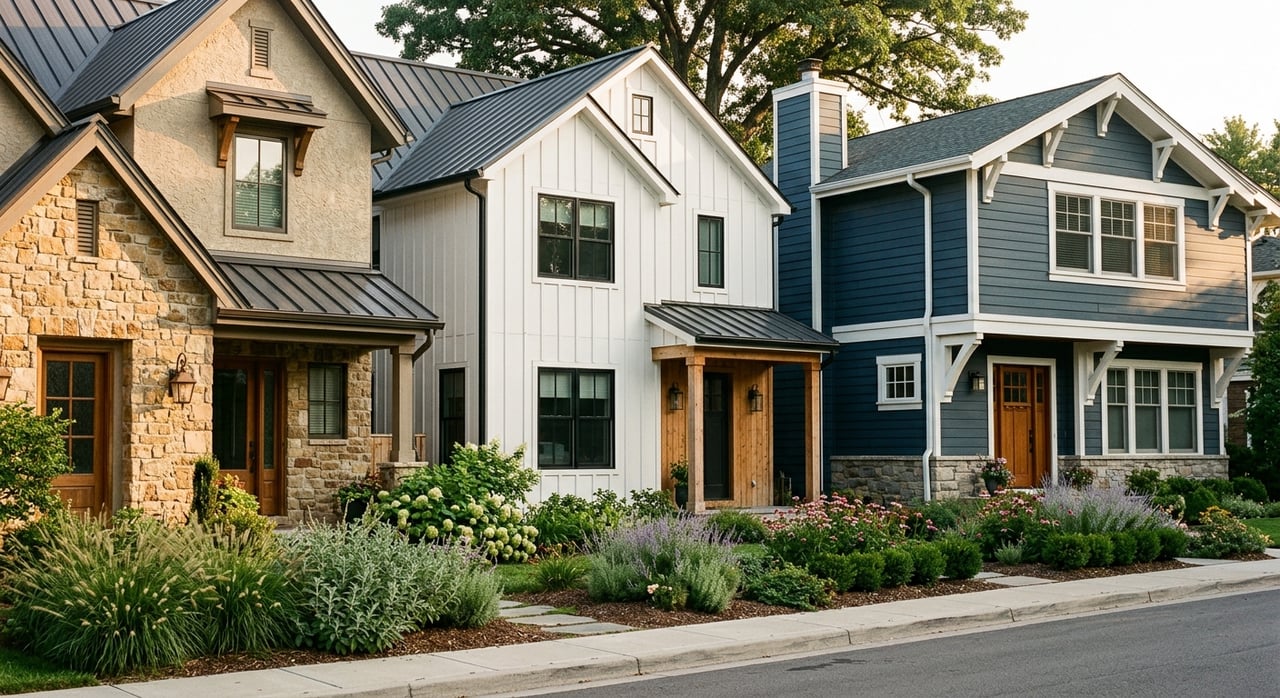
City Center is the next-phase, transit-oriented district with urban-style townhomes and condos. Expect vertical living, smaller lot footprints, and the ability to walk to stations and services as the plan builds out. This setting appeals if you value a simplified commute and a low-maintenance lifestyle near restaurants and offices (Lone Tree City Center overview).
Heritage Hills and McArthur Ranch
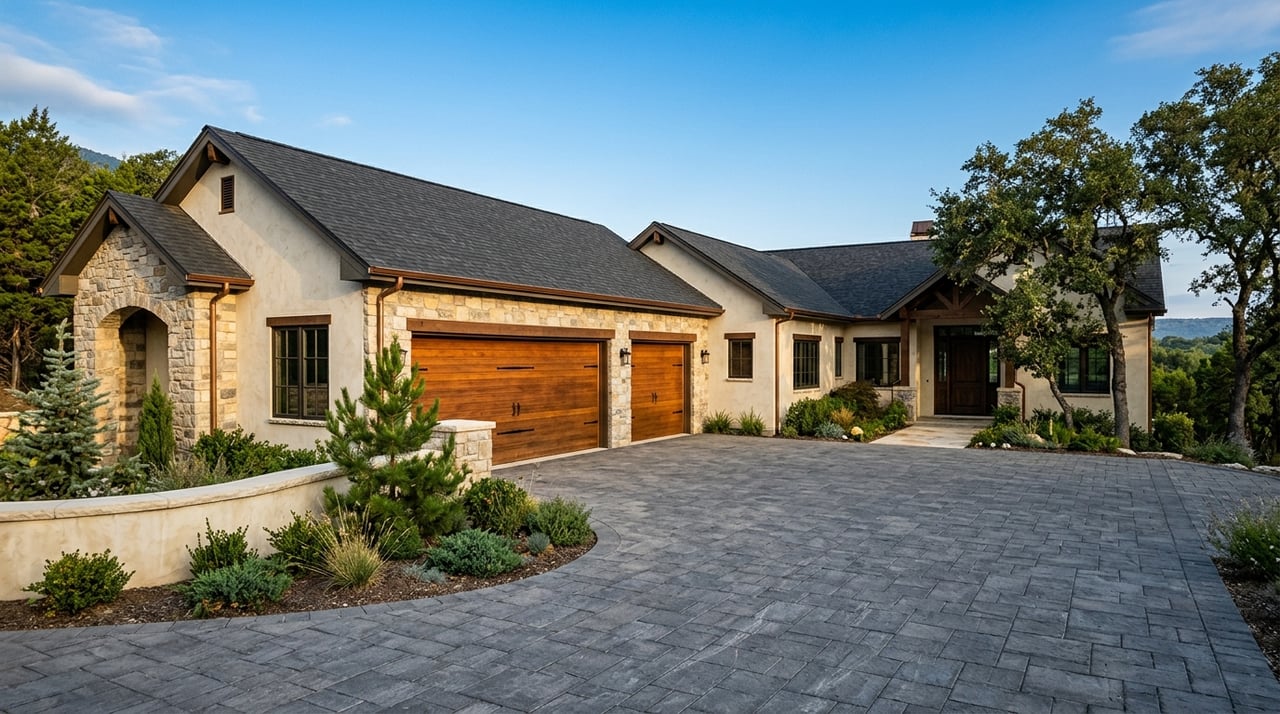
These are prestige, larger-lot pockets featuring gated communities, luxury single-family homes, and in McArthur Ranch, acreage and equestrian-style parcels. If privacy, space, and a traditional suburban estate profile are priorities, these areas deliver. You will typically drive for daily needs and commutes, so factor I-25 peak patterns into your decision.
Meridian Village, Rampart Range, Eastridge, and Southridge
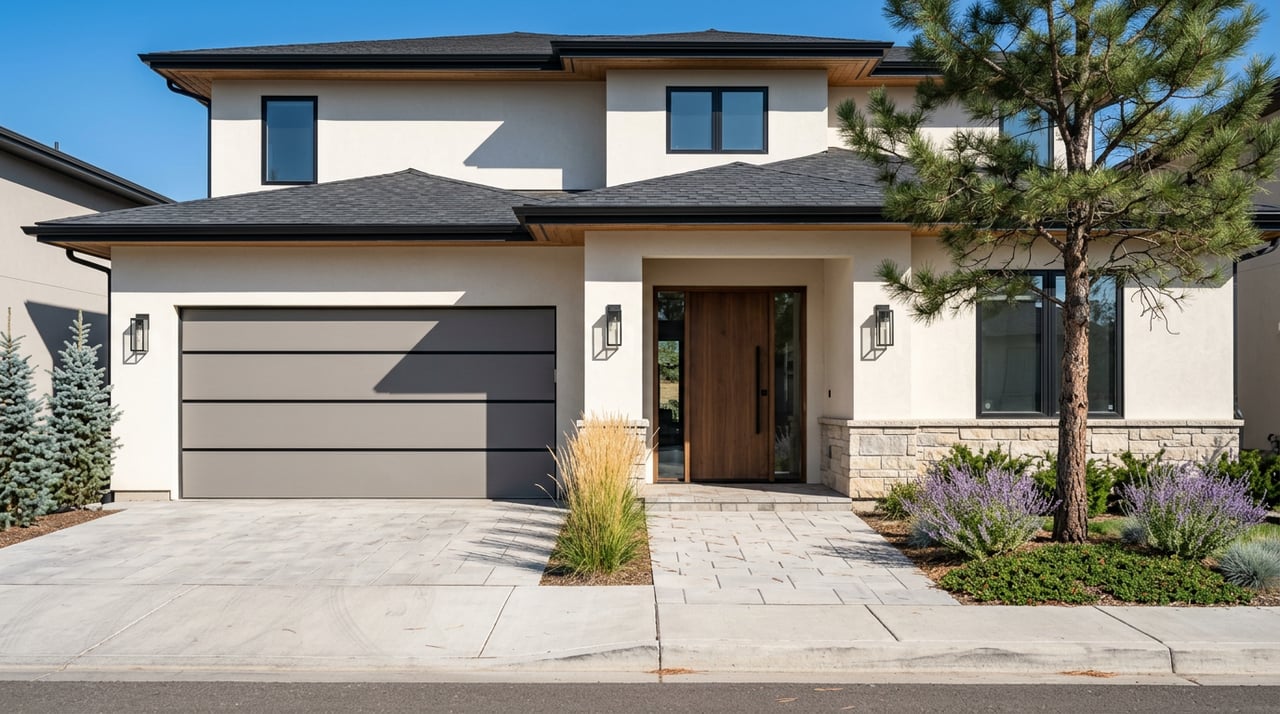
Close to Park Meadows and major arterials, these established neighborhoods offer a range of single-family homes and some townhome options. They provide strong access to retail and I-25 without the premium of brand-new City Center builds. Many buyers see them as a practical balance between location, price, and space.
What homes cost today
As a broad city snapshot, third-party market trackers reported a Lone Tree median sale price around 870,000 dollars as of December 2025, with neighborhood medians varying widely by product type. You will find townhomes and condos near transit that often trade in the mid 400,000 to 800,000 dollar range, while gated and estate properties can exceed 1.5 to 2 million dollars depending on specifications. Market conditions shift monthly, so align your search with current data and your timing.
Daily commute reality
Driving on I-25, C-470, and E-470
I-25 is the backbone for north–south commuting through Lone Tree. C-470 provides a west and south bypass, and E-470 is the tolled beltway on the east side. If you prefer consistent travel time and fewer signals, E-470’s all-electronic toll system is designed for speed and reliability (E-470 tollway information).
The South I-25 corridor carries some of the region’s heaviest volumes, with peak segments approaching roughly 250,000 to 275,000 vehicles per day. The Denver South 2024 executive report also cites an average one-way commute distance of about 15 miles on this corridor, and it flags PM peak reliability as a concern as growth continues (Denver South corridor study executive report). If you plan to rely on express lanes, review current rules and enforcement details before you set a commute budget, since costs and eligibility can change (regional updates and enforcement context).
Riding the E Line light rail
Lone Tree’s E Line stations are County Line, Lincoln, Sky Ridge, Lone Tree City Center, and RidgeGate Parkway. Off-peak schedules commonly put travel to Union Station in the 45 to 60 minute range, depending on time of day and any service changes. The RidgeGate Parkway park-and-ride offers about 1,300 spaces, which makes a drive-to-rail strategy convenient for many commuters (RTD E Line map and timetable).
Service patterns do evolve with maintenance and ridership. RTD has occasionally adjusted E and R Line operations south of Broadway, including short-term bus shuttles during repairs. Before you lock in a rail routine, check current advisories and timetables so your door-to-desk time matches expectations (RTD service updates example).
Last-mile help and employer shuttles
RidgeGate and nearby employment centers use local last-mile solutions, including the fare-free Lone Tree Link and employer shuttles that connect stations with offices. These partnerships, documented in the corridor study, can materially shorten total commute time if you are not within walking distance of a station (Denver South corridor study executive report).
Match your workplace to a neighborhood
If you work at Sky Ridge Medical Center
Living in RidgeGate or adjacent east-of-I-25 neighborhoods can deliver a walk or a simple 5 to 10 minute drive to campus. This keeps your commute short and gives you immediate access to newer housing, dining, and services. For context, Sky Ridge is located at 10101 RidgeGate Parkway on the RidgeGate campus (Sky Ridge Medical Center profile).
If you work in the Denver Tech Center
Look at north Lone Tree near County Line or Lincoln Station, Meridian, or RidgeGate with quick I-25 access. In normal conditions, the drive can be about 10 to 20 minutes, but peak congestion can stretch this window. Many DTC professionals keep express lanes or the E Line as a backup plan to guard against incidents.
If you work in downtown Denver
You have two realistic paths. Live within RidgeGate or City Center and ride the E Line straight to Union Station, or position near County Line or Lincoln and compare rail to an I-25 drive that uses express lanes as needed. Test both options during your typical arrival window so your choice reflects real, door-to-desk travel time (RTD E Line map and timetable).
Tradeoffs to weigh
- Larger lots and gated estates buy privacy and outdoor space, but you will rely more on I-25 during peak periods.
- Transit-adjacent condos and townhomes reduce commute complexity, especially to downtown, though they typically have smaller footprints and HOA considerations.
- Your weekly in-office schedule, tolerance for tolls, and need for predictable arrival windows should shape the right neighborhood and home type.
Sample commute snapshots
- RidgeGate to Sky Ridge campus: often a 5 to 10 minute local trip, with the option to walk or bike depending on exact location.
- North Lone Tree to DTC: about 10 to 20 minutes in light to moderate conditions, longer during peak congestion. Many drivers use express lanes for schedule control.
- RidgeGate Parkway Station to Union Station: roughly 45 to 60 minutes by E Line depending on time of day and schedule. Check the current timetable before setting expectations (RTD E Line map and timetable).
Relocation checklist for Lone Tree movers
- Define your commute priority. Decide if you value a 5 to 10 minute local drive to Sky Ridge, a quick hop to the DTC, or a one-seat rail ride to downtown.
- Map station access. Identify your nearest E Line station and verify RidgeGate Parkway parking availability if you plan to drive-to-rail.
- Plan for peaks. Compare a typical morning and evening drive to a rail option. Use the E Line timetable and check for any service advisories before you decide.
- Consider toll strategies. Price out occasional or regular use of I-25 express lanes and E-470 so your monthly commute budget is accurate (E-470 tollway information).
- Match home type to lifestyle. Choose between transit-adjacent condos and townhomes for simplicity, or larger-lot estates for privacy and space.
- Watch the market. The citywide median was about 870,000 dollars in December 2025, but product-level prices vary widely and change over time. Align timing, budget, and must-haves with current data.
Ready to explore homes and commutes in Lone Tree
If Lone Tree fits your lifestyle, the next step is a private conversation about neighborhoods, floor plans, and a commute plan that works for your schedule. Our senior-led, concierge approach is built for busy professionals and relocating families who want clarity and confidence from day one. Connect with the Ford Fountain Team to schedule a Private Consultation.
FAQs
What is the typical commute from Lone Tree to downtown Denver?
- The RTD E Line from Lone Tree stations to Union Station commonly runs about 45 to 60 minutes depending on schedule and time of day. Drivers can use I-25 with express lanes as a backup. Always check current E Line timetables before planning (RTD E Line map and timetable).
Where are the RTD light rail stations located in Lone Tree?
- Stations include County Line, Lincoln, Sky Ridge, Lone Tree City Center, and RidgeGate Parkway. RidgeGate Parkway is the southern terminus with about 1,300 park-and-ride spaces (RTD E Line map and timetable).
How heavy is I-25 traffic near Lone Tree during rush hour?
- The Denver South 2024 executive report cites peak I-25 segments at roughly 250,000 to 275,000 vehicles per day and notes an average one-way commute distance of about 15 miles, with PM peak reliability a concern as growth continues (Denver South corridor study).
Which Lone Tree neighborhood is best if I work at Sky Ridge Medical Center?
- RidgeGate or nearby east-of-I-25 neighborhoods keep you within a short walk or a 5 to 10 minute drive of campus, with newer housing and services close by (Sky Ridge Medical Center and RidgeGate overview).
Is E-470 a good option for Lone Tree commuters?
- Yes if you prioritize consistent travel times. E-470 is an all-electronic tollway that can bypass local congestion on arterial routes. Review current toll information and routes before you commit (E-470 tollway information).
Are there last-mile shuttles to help connect stations and offices?
- Yes. The corridor study documents the fare-free Lone Tree Link and employer shuttles serving RidgeGate and nearby business parks, which can shorten door-to-desk time if you live beyond walking distance (Denver South corridor study).