If you are searching for a suburb that can keep up with a growing household, Highlands Ranch likely lands on your short list quickly. You want room to spread out, everyday convenience, and amenities that support busy routines without making life feel complicated. This guide walks you through what living in Highlands Ranch is actually like, from schools and housing to parks, trails, and neighborhood structure, so you can make a more confident move. Let’s dive in.
Why Highlands Ranch Works for Families
Highlands Ranch is a large, unincorporated master-planned community in Douglas County rather than a standalone city. According to Census Reporter’s community profile, it has about 99,056 residents, 38,831 households, and an average household size of 2.6 people, with a 78.1% homeownership rate.
Those numbers point to a stable, owner-occupied suburban setting that appeals to many buyers looking for long-term fit. The same source also reports a median household income of $159,307 and an average commute time of 24.2 minutes, which helps explain why Highlands Ranch continues to attract households who want a balance of residential comfort and access to the broader South Metro Denver area.
Community Structure Matters Here
One of the biggest practical things to understand about Highlands Ranch is how the community is organized. The Highlands Ranch Metro District manages parks, trails, open space, recreation programs, and other infrastructure, while HRCA provides architectural control, covenant enforcement, and operates four recreation centers serving more than 30,000 households.
For you as a buyer, that means amenities and rules are part of the ownership experience in a very real way. If you are comparing Highlands Ranch to other suburbs, this structure can feel more organized and more amenity-rich, but it also means you should understand community guidelines before you buy.
Highlands Ranch Neighborhood Areas
HRCA divides Highlands Ranch into four main areas: Eastridge, Westridge, Northridge, and Southridge. That framework can be helpful when you begin narrowing your search because it gives you a simple way to think about location, access, and nearby amenities without trying to memorize every subdivision at once.
Rather than asking only which home you like, it helps to ask how each area fits your routine. You may care more about proximity to trails, recreation centers, commute routes, or specific housing styles than about a neighborhood name alone.
Schools in Highlands Ranch
For many buyers, schools are one part of the decision-making process, and Highlands Ranch gives you a wide range of options to review. GreatSchools reports 42 total schools in the area, including 24 public district schools, 4 public charter schools, and 14 private schools. Douglas County School District also notes that it serves about 61,000 students and is Colorado’s third-largest district.
That size can be a benefit because it gives you more choices to research, but it also means you should avoid broad assumptions. School options, attendance patterns, and campus profiles can vary depending on the address you are considering.
Verify Boundaries by Address
This step is especially important right now. Douglas County School District approved Highlands Ranch elementary school consolidation and pairing changes beginning in the 2026-27 school year, so older feeder patterns may not tell the full story.
If school assignment matters to your household, verify attendance boundaries for each specific property instead of relying on past maps or word-of-mouth. That small step can save you a major surprise later.
Ratings Vary Across the Area
School ratings are not uniform across Highlands Ranch, which is another reason property-level research matters. Current GreatSchools ratings in the area include Copper Mesa Elementary at 9/10, Highlands Ranch High School at 9/10, ThunderRidge High School at 9/10, Ranch View Middle School at 6/10, and Cresthill Middle School at 5/10, according to the GreatSchools research notes provided.
The takeaway is simple: do not treat Highlands Ranch as one single school story. If schools are a priority for your move, evaluate them one by one alongside the home and location.
Parks and Trails Support Daily Life
One reason Highlands Ranch stands out for growing households is the amount of outdoor infrastructure built into daily life. The Metro District says it manages 2,644 acres of open space, more than 70 miles of trails, 26 public parks, and four dog parks.
That matters because it gives you flexible ways to use the community every day. Whether you want a quick stroller walk, a longer weekend trail outing, or easy access to playground space, the built environment supports those routines without needing a long drive.
Trail Access Is a Real Benefit
The trail system includes concrete, gravel, and single-track surfaces, which gives households a variety of options for different activity levels. The Metro District also notes that more than 4,700 homes back to open space, which helps explain why outdoor access is such a visible part of the Highlands Ranch lifestyle.
If you want to explore the system before buying, the Highlands Ranch Outdoors Map is a useful planning tool. Free copies are available at Metro District offices, the Highlands Ranch library, and HRCA recreation centers.
Public Open Space vs. Backcountry Access
There is one distinction worth knowing. Metro District parks and trails are public, while HRCA describes the Backcountry Wilderness Area as an 8,200-acre conservation space with more than 25 miles of natural-surface trails.
That means the overall trail network can feel larger than what many buyers expect in a suburban community. At the same time, not every outdoor area functions the same way, so it is smart to understand what is public and what is accessed differently through community systems.
Recreation Centers and Youth Activities
Beyond trails and parks, Highlands Ranch offers structured activities that can make family logistics much easier. HRCA operates four recreation centers, and those facilities include pools, gym space, tennis and pickleball, batting cages, indoor turf, climbing walls, and other activity spaces, according to its community overview.
For many households, this is where Highlands Ranch becomes more than a place to sleep at night. It creates a framework for after-school activities, summer routines, weekend recreation, and year-round movement close to home.
Sports and Programs for Many Ages
HRCA offers youth and adult programs in basketball, soccer, volleyball, lacrosse, flag football, tennis, gymnastics, aquatics, archery, golf, and camps through its sports and activities programming. The Metro District also runs youth sports focused on recreation-level play, skill-building, and fun.
That range can be especially helpful if you are trying to reduce drive time between school, sports, and home. Instead of piecing together activities across multiple towns, you may be able to keep much of your weekly routine within the community.
Housing Options for a Growing Household
From a pricing standpoint, Highlands Ranch typically sits in the high-$600,000s to low-$700,000s depending on the source. Zillow shows a typical home value of about $694,021, Realtor.com reports a median sale price of $699,000, and Data USA reports a median property value of $712,700 in the research provided.
That puts Highlands Ranch in a middle lane for many South Metro Denver buyers. It is often more accessible than nearby Lone Tree on home-value metrics, while sometimes pricing above alternatives such as Castle Rock.
Detached Homes Lead the Market
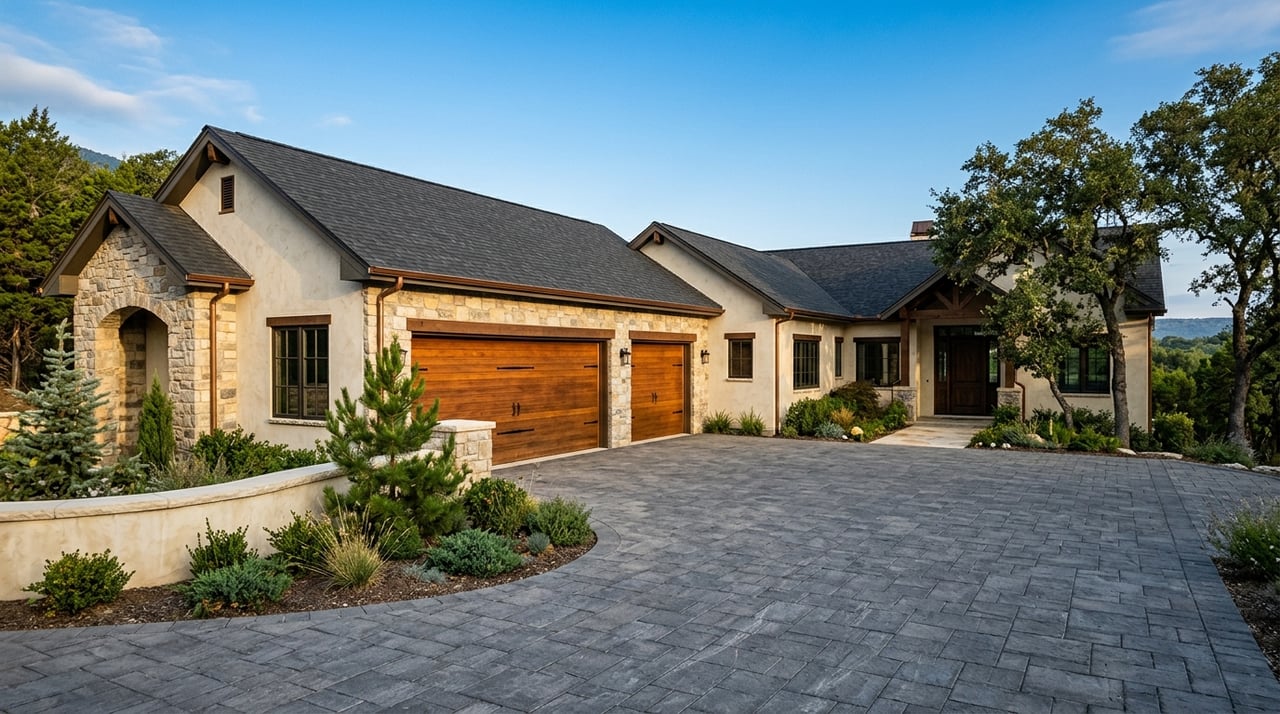
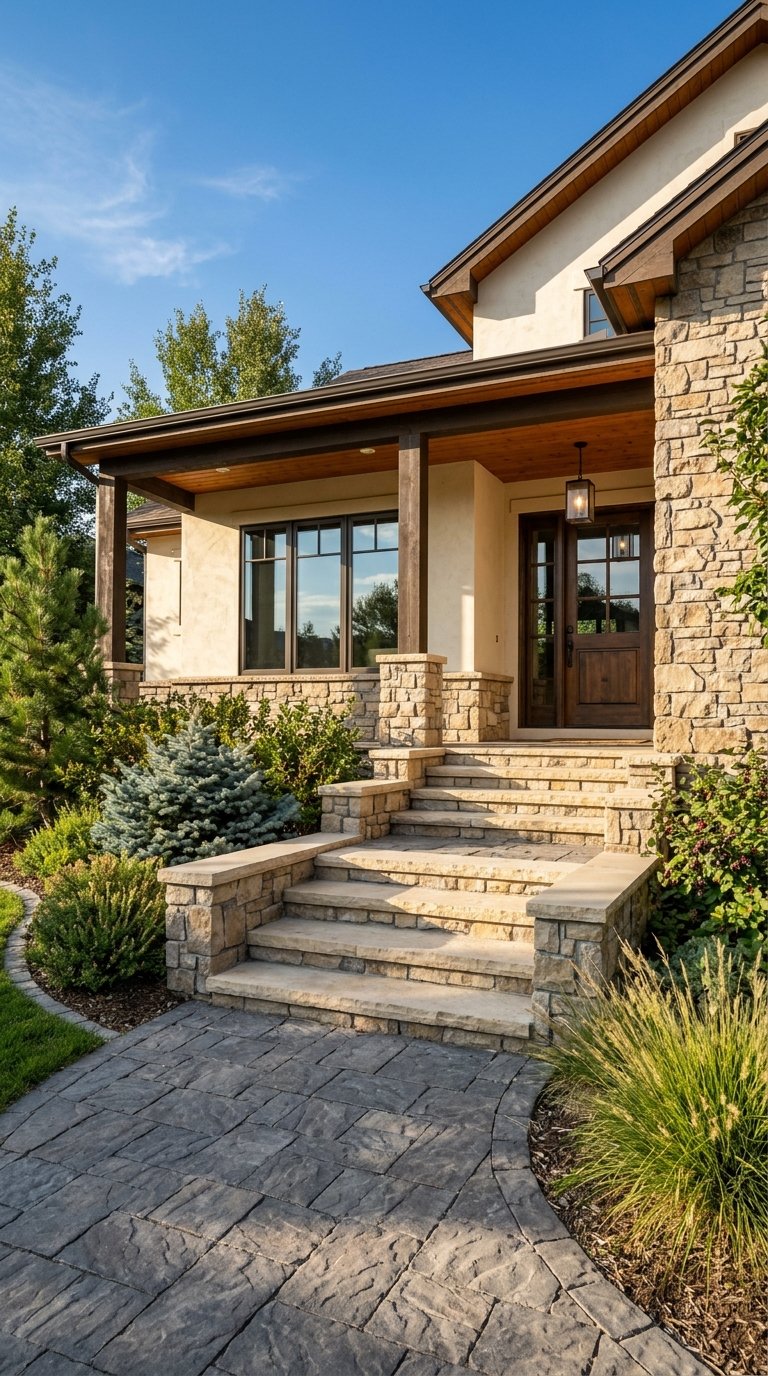
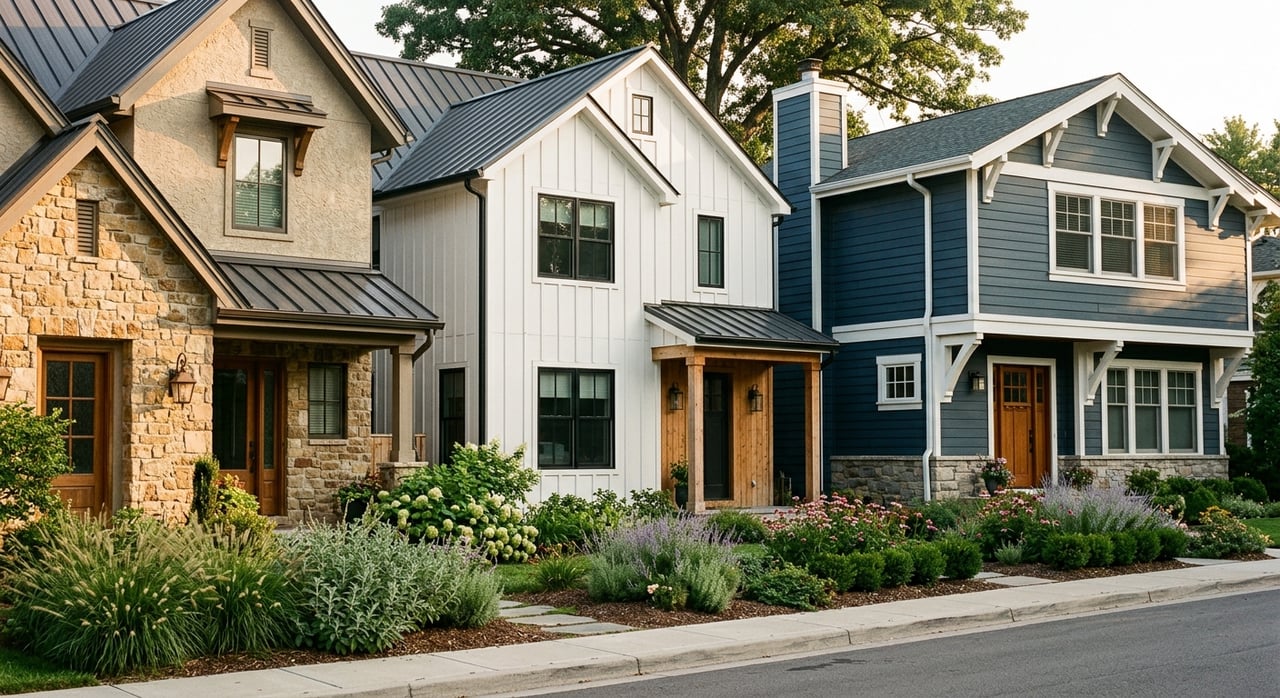
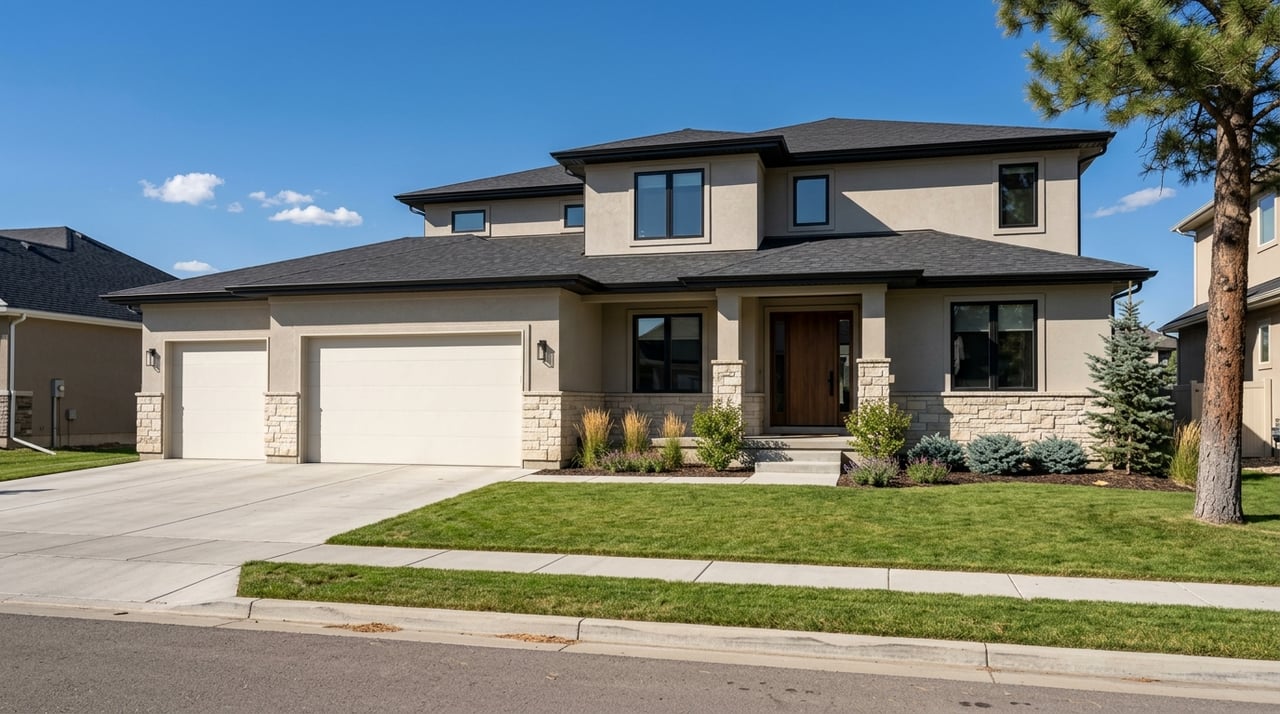
Housing stock in Highlands Ranch leans heavily toward detached homes. Point2Homes reports that 75.2% of units are detached single-family homes, and HRCA notes that the community includes everything from single-family starter homes to custom homes.
For a growing household, that matters because detached inventory often aligns with priorities like yard space, additional bedrooms, flexible living areas, and room to adapt over time. Current Zillow examples in the research also show common layouts such as:
- 3-bedroom, 2-bath homes around 2,281 square feet
- 3-bedroom, 2.5-bath homes around 2,171 square feet
- 4-bedroom, 4-bath homes around 2,701 square feet
- 2-bedroom, 2-bath condos around 1,576 square feet
You are not limited to one type of living arrangement, but the community clearly favors homes that support longer-term household growth.
How Highlands Ranch Compares Nearby
If you are deciding between South Metro Denver suburbs, Highlands Ranch often falls between Castle Rock and Lone Tree in both price and feel. Research notes show Castle Rock has more than 87,000 residents, 104 miles of trails, 25 parks, and more than 4,000 acres of open space, while Zillow puts its typical home value at $658,407. Lone Tree is much smaller, with about 15,000 residents on roughly nine square miles, and Zillow’s typical home value there is $882,722.
The practical takeaway is that Highlands Ranch often offers a more established, infrastructure-heavy suburban experience than Lone Tree, while Castle Rock can present a larger-town and lower-cost alternative. Which one fits best depends on whether your top priorities are price, location, community structure, or access to built-in amenities.
What to Think About Before You Buy
Highlands Ranch can be a strong fit if you want a community where outdoor access, recreation, and everyday convenience are part of the neighborhood design. It is especially worth a closer look if you value detached housing options, organized amenities, and a suburban setting with strong owner-occupancy.
At the same time, this is not a market where you should buy based on broad impressions alone. School boundaries, HOA and covenant considerations, rec center access, and subarea differences can all shape how a home works for your life.
A thoughtful home search here starts with your actual routine. When you match your priorities to the right part of Highlands Ranch, the community can offer the kind of practical, flexible lifestyle that growing households often need most.
If you are weighing a move to Highlands Ranch or comparing it with other South Metro Denver communities, the Ford Fountain Team offers personalized, advisory-first guidance to help you evaluate the right fit for your next chapter.
FAQs
What makes Highlands Ranch appealing for growing families?
- Highlands Ranch offers a large master-planned setting with extensive parks, trails, recreation centers, youth activities, and a housing stock that leans heavily toward detached single-family homes.
What should homebuyers know about Highlands Ranch school boundaries?
- Douglas County School District approved elementary school consolidation and pairing changes beginning in the 2026-27 school year, so you should verify school attendance boundaries by specific property address.
How many parks and trails are in Highlands Ranch?
- The Highlands Ranch Metro District says it manages 26 public parks, more than 70 miles of trails, four dog parks, and 2,644 acres of open space.
What types of homes are common in Highlands Ranch?
- Detached single-family homes are the most common housing type, with research noting that 75.2% of units are detached homes, alongside some condo and other attached options.
How do Highlands Ranch home prices compare with nearby areas?
- Based on the research provided, Highlands Ranch generally falls between Castle Rock and Lone Tree on home-value metrics, often pricing above Castle Rock and below Lone Tree.
Are Highlands Ranch recreation centers part of daily life for residents?
- They can be, since HRCA operates four recreation centers with amenities such as pools, gym space, tennis and pickleball, batting cages, indoor turf, and climbing walls.