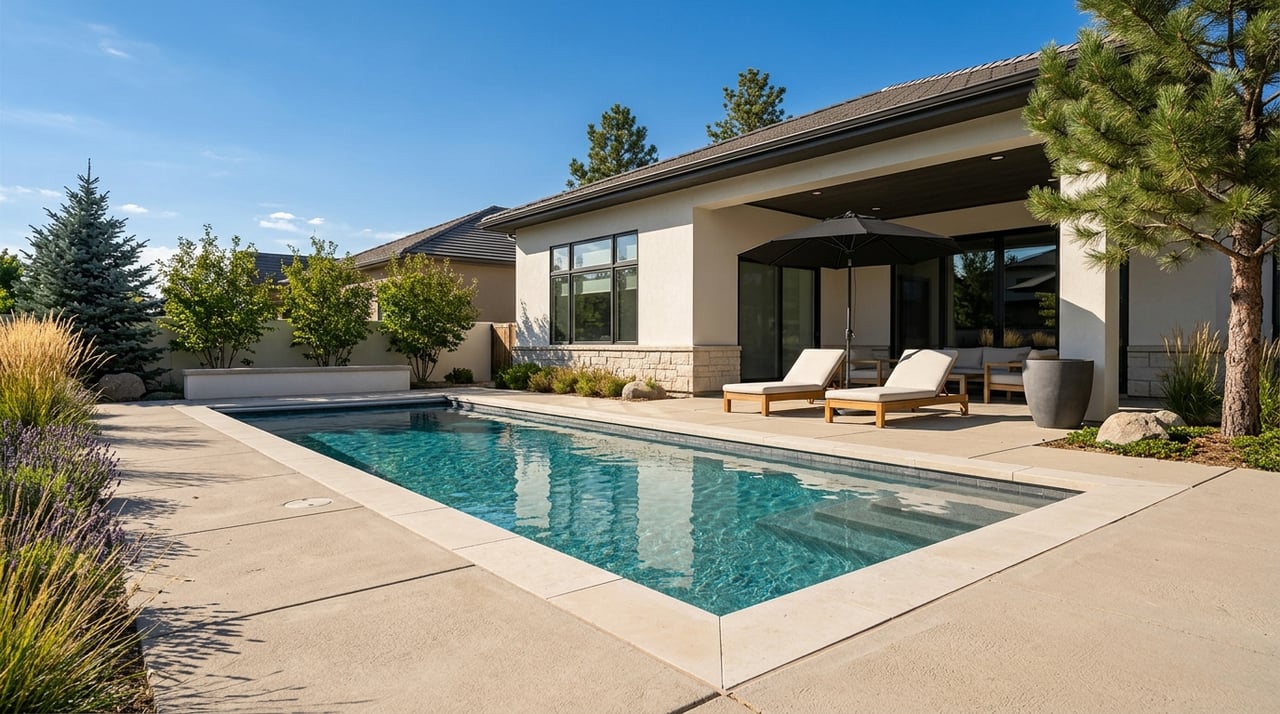
If an active lifestyle is high on your wish list, Parker deserves a close look. For many buyers, it is not just about finding a beautiful home. It is about finding a neighborhood that makes it easier to get outside, stay connected, and enjoy everyday routines that feel a little more energizing. In Parker, trails, pools, parks, and recreation options play a meaningful role in how different areas live day to day. This guide will help you understand where those amenities show up, what makes certain neighborhoods stand out, and how to think about active living as you search. Let’s dive in.
Why Parker Appeals to Active Buyers
Parker has built a strong identity around movement and connection. According to the town, its network includes about 65 miles of trails, supported by parks, bike lanes, open spaces, and neighborhood accessibility that encourage an active lifestyle (Town of Parker).
That matters when you are comparing communities in South Metro Denver. In Parker, active living is not limited to a single recreation center or one large park. Instead, it is woven through many parts of town, from downtown trail access to neighborhood paths and community amenities.
Parker Trails That Shape Daily Life
For many homebuyers, trails are more than a weekend bonus. They can shape how you start your morning, how you spend time outdoors, and how easily you move through the community without getting in the car.
Cherry Creek Regional Trail
The Cherry Creek Regional Trail is Parker’s most significant trail resource. The town describes it as a major north-south corridor with a 10-foot concrete pedestrian and bicycle path, plus an adjacent unpaved equestrian trail.
Trailheads along this route include McCabe Meadows Park, Bar CCC Park, and Cottonwood Trailhead Park. The corridor is intended to connect north toward Cherry Creek State Park and south toward Castlewood Canyon State Park, which gives it long-range recreational value beyond Parker itself.
Sulphur Gulch Trail
The Sulphur Gulch Trail runs east-west through downtown Parker. It links Bar CCC Park to the eastern edge of town and connects places like Town Hall and the PACE Center into the larger trail system.
If you want a neighborhood with both trail access and proximity to Parker’s civic core, this corridor is especially relevant. It offers a strong sense of connection between residential areas, public spaces, and downtown destinations.
Tallman Gulch Trail
The Tallman Gulch Trail is important for buyers looking on Parker’s east side. It runs through the Idyllwilde area and connects into Sulphur Gulch in the Rowley Downs and Canterberry Crossing area, helping tie together several neighborhoods that appeal to outdoor-focused buyers.
This is one reason east Parker often stands out for people who want a more trail-oriented setting. Access points and neighborhood layout can make a real difference in how often you actually use the trails.
East/West Regional Trail
Parker also includes the East/West Regional Trail, which connects Parker with Highlands Ranch, Castle Pines, and Lone Tree (Parker Parks and Recreation). For buyers who like longer rides, broader regional access, or a more connected trail system, that wider reach can be a real advantage.
Trail-Connected Is Not the Same as Nearby
This is one of the most important details to understand when buying in Parker. Not every neighborhood has the same level of direct trail access, even if it looks close on a map.
Parker’s Bike and Pedestrian Master Plan notes, for example, that Parker Vista lacks a direct pedestrian path to Sulphur Gulch Trail. That is a useful reminder that “near trails” and “trail-connected” are not interchangeable.
If active living is central to your home search, direct access should be one of your filters. A neighborhood that backs to a trail corridor or connects cleanly into the system may support your daily routine much better than one that requires driving or navigating indirect routes.
Pools and Recreation Options in Parker
Trails get a lot of attention, but pools and indoor recreation matter too, especially if you want year-round flexibility. In Parker, those options fall into a few different categories: public town facilities, district-managed amenities, and private HOA features.
Town-Run Aquatic Facilities
The Parker Recreation Center indoor pool is one of the town’s main aquatic anchors. It includes a 25-yard six-lane lap pool, a warm-water therapy pool, an activity pool with zero-depth entry, a lazy river, a rock climbing wall, and an enclosed waterslide.
For outdoor swimming, H2O’Brien Pool serves as Parker’s seasonal public option. It features two 182-foot slides, zero-depth entry, a water-play structure, a lap pool, and large deck and shade areas (Parker Recreation Center Indoor Pool).
Year-Round Recreation Hubs
Parker’s active-living appeal goes beyond swimming. The town’s facility map highlights year-round activity spaces such as the Parker Recreation Center and Parker Fieldhouse, along with destinations like Discovery Park Ice Trail and the PACE Center.
For buyers, this broader recreation footprint can add flexibility to daily life. It supports everything from fitness routines to family activities across different seasons.
HOA and District Pools
This is another area where buyers should look carefully. In Parker, many neighborhood pools are not public.
Stonegate’s metro districts operate two pools along with trails, gazebos, tennis and pickleball courts, and a community center (Stonegate Village Metropolitan District). Canterberry Crossing’s HOA materials specifically note that its pool is not a public pool, and the Trails at Crowfoot community park information notes that the neighborhood pool and clubhouse are private HOA amenities.
That means pool access can vary a lot depending on where you buy. If swimming or summer recreation is important to you, it is worth confirming exactly what is public, what is resident-only, and how each amenity is managed.
Parker Neighborhoods for Active Living
No two buyers define active living the same way. Some want direct trail access. Others want community pools, sports courts, or parks close to home. Parker offers several neighborhood patterns worth watching.
Stonegate
Stonegate is one of Parker’s strongest amenity-focused communities for active households. The community highlights walking trails with mapped loops and distances, two pools, dog stations, a community center, gazebos, and resident-only tennis and pickleball courts (Stonegate North Villages).
For buyers who want everyday convenience, Stonegate stands out because multiple amenities are layered together. You can prioritize trails, recreation, and shared neighborhood spaces without needing to leave the community for each one.
Canterberry Crossing
Canterberry Crossing is another strong option if you want both trails and neighborhood amenities. The Sulphur Gulch Trail information identifies Tallman Gulch Trail as running through Rowley Downs, Hidden River, and Canterberry Crossing, while the HOA confirms a neighborhood pool and community park system (Parker Parks and Recreation).
That combination makes Canterberry Crossing especially appealing for buyers who want a home base that supports both movement and recreation close to home.
Idyllwilde Area
The Idyllwilde area is often attractive to buyers looking for a more trail-oriented setting on Parker’s east side. Tallman Meadow Park sits within the community, and its meandering trails connect to Tallman Gulch Trail by way of a pedestrian bridge.
The Prairie Voice Loop is also accessed from the Tallman Gulch corridor. If your idea of active living leans toward walking routes and open-air access woven into the neighborhood, this area is worth a closer look.
Stroh Ranch Area
The Stroh Ranch area is notable for buyers who prioritize sports fields and direct trail access. The Stroh Ranch Soccer Fields sit on the Cherry Creek Regional Trail corridor and offer direct access to that trail from the parking lot.
That makes the area especially practical if you want a mix of organized sports and easy connection to one of Parker’s main trail routes.
Trails at Crowfoot
Trails at Crowfoot may appeal to buyers seeking a newer, activity-oriented community pattern. Its public park includes courts, disc golf, a jogging trail, and a ballfield, while the pool and clubhouse are private HOA amenities, according to the research provided.
This setup can work well if you want a blend of public outdoor recreation and private neighborhood features, but it is important to understand which amenities are available to everyone and which are reserved for residents.
Parker Compared With Nearby Communities
If you are also considering other South Metro options, Parker sits in an interesting middle ground. According to the research provided, Castle Rock reports more than 130 miles of trails, more than 60 parks, and more than 6,900 acres of open space, while Highlands Ranch manages 2,644 acres of open space and more than 70 miles of trails (Town of Castle Rock).
Parker’s network is smaller by comparison, but it is still substantial. For many buyers, the advantage is that Parker’s trail corridors and recreation features are closely tied into neighborhoods and downtown connections, which can make active living feel more integrated into everyday life.
How to Search for an Active-Living Home in Parker
If Parker is on your shortlist, it helps to look beyond square footage and finishes. Lifestyle fit often comes down to details that are easy to miss in an online search.
Here are a few smart filters to use:
- Direct trail access: Ask whether the neighborhood connects straight into a major trail or only sits near one.
- Amenity type: Confirm whether pools, courts, and clubhouses are public, district-managed, or HOA-reserved.
- Recreation style: Think about whether you want lap swimming, family pool time, walking loops, sports fields, or broader regional trail access.
- Daily convenience: Consider how easily you can reach parks, recreation centers, and trailheads from home.
- Neighborhood pattern: Decide whether you prefer a more established amenity-rich community or a newer neighborhood with evolving recreation features.
When your search is tailored to how you actually want to live, Parker becomes easier to navigate. The right fit is often less about finding the most amenities on paper and more about finding the location that supports your routine.
If you are exploring Parker or comparing it with other South Metro communities, the right guidance can help you narrow in on neighborhoods that truly match your lifestyle priorities. The Ford Fountain Team offers thoughtful, concierge-level guidance for buyers who want a more strategic and personalized approach to their search.
FAQs
What makes Parker appealing for active living?
- Parker offers about 65 miles of trails, along with parks, bike lanes, recreation facilities, and neighborhoods with varying levels of outdoor access and amenities.
Which Parker trail is most important for buyers to know?
- The Cherry Creek Regional Trail is a major north-south corridor in Parker, with trailheads at McCabe Meadows Park, Bar CCC Park, and Cottonwood Trailhead Park.
Are Parker neighborhood pools open to the public?
- Not always. Many neighborhood pools in Parker are private HOA or district-managed amenities rather than public facilities.
Which Parker neighborhoods are good for trail access and amenities?
- Stonegate, Canterberry Crossing, the Idyllwilde area, Stroh Ranch, and Trails at Crowfoot each offer different combinations of trails, parks, pools, or recreation features.
Why should Parker buyers verify direct trail access?
- Because being close to a trail is not always the same as being directly connected to it, which can affect how convenient the trail is to use regularly.